




How to install an LPG gas hose correctly?
 Dec 31, 2025|
 As an LP GAS HOSE LPG supplier, I understand the importance of correct installation for ensuring safety and optimal performance in LPG systems. In this blog, I'll provide a comprehensive guide on how to install an LPG gas hose correctly, covering everything from preparation to testing and maintenance.
Understanding LPG Gas Hoses
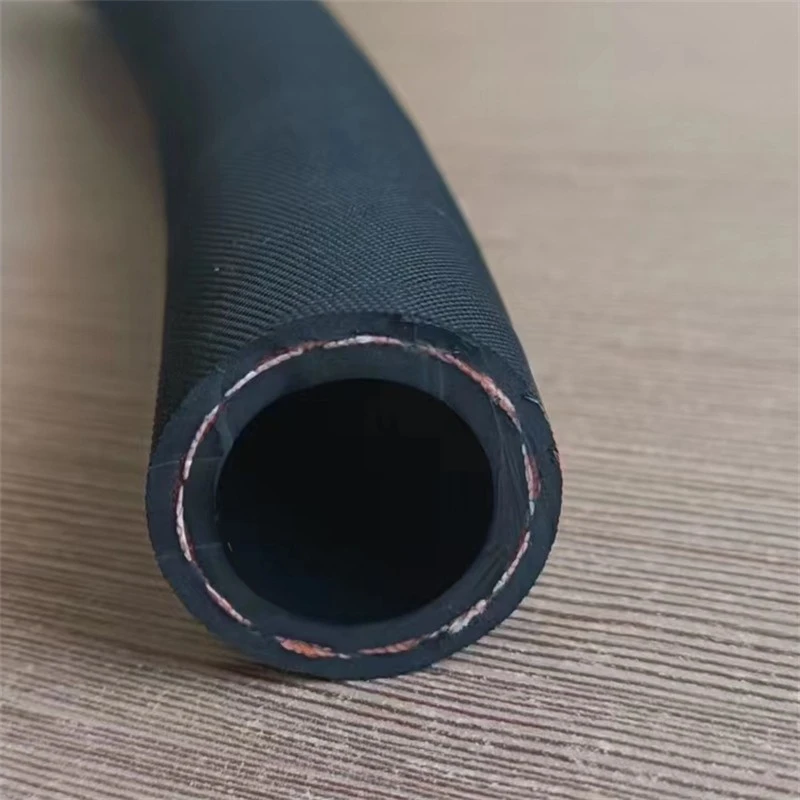
Before we dive into the installation process, it's essential to understand the different types of LPG gas hoses available. At our company, we offer a wide range of high - quality hoses, including the LP GAS HOSE LPG. These hoses are designed to withstand the pressure and chemical properties of LPG, ensuring long - term reliability.
There are also industry - standard hoses like SAE 100 R6 and SAE 100 R3. The SAE 100 R6 is a single - wire braid hydraulic hose that can be used in LPG applications, offering good flexibility and pressure resistance. The SAE 100 R3 is a textile - braided hose, suitable for general - purpose LPG transfer with relatively lower pressure requirements.
Safety Precautions
Safety should always be the top priority when working with LPG. LPG is highly flammable and explosive, so taking proper precautions is non - negotiable.
- Ventilation: Ensure that the work area is well - ventilated to prevent the accumulation of LPG vapors. If you are working indoors, open windows and doors or use exhaust fans.
- No Flames or Sparks: Keep all sources of ignition away from the work area. This includes cigarettes, open flames, and electrical sparks.
- Personal Protective Equipment (PPE): Wear appropriate PPE such as safety glasses, gloves, and protective clothing to protect yourself from potential leaks or spills.
- Valve Shut - off: Before starting the installation, make sure to shut off the LPG supply valve at the source. This will prevent any accidental release of gas during the installation process.
Tools and Materials Needed
To install an LPG gas hose correctly, you'll need the following tools and materials:
- LPG Gas Hose: Choose the appropriate hose based on your application requirements. Refer to the relevant product specifications to ensure compatibility.
- Wrenches: Different sizes of wrenches may be needed to tighten the fittings, depending on the type of connectors used.
- Thread Sealant: For threaded connections, use a suitable thread sealant that is compatible with LPG. Avoid using tape as it can break down and cause leaks over time.
- Leak Detection Solution: A simple soap - and - water solution can be used to check for leaks after installation. You can also use a commercial leak detector.
Installation Steps
Step 1: Prepare the Work Area
Clean the area where the LPG hose will be installed. Remove any dirt, debris, or rust from the connection points. This will ensure a proper seal and prevent contaminants from entering the system.
Step 2: Measure and Cut the Hose
Measure the required length of the hose carefully. Use a sharp knife or a hose cutter to make a clean, straight cut. Make sure the cut end of the hose is smooth and free of burrs.
Step 3: Attach the Fittings
There are different types of fittings used for LPG hoses, such as threaded, flare, or quick - connect fittings.
- Threaded Fittings: Apply a thin layer of thread sealant to the male threads of the fitting. Then, carefully screw the fitting onto the hose end. Use a wrench to tighten the fitting securely, but be careful not to over - tighten as this can damage the threads.
- Flare Fittings: Flare fittings require a special flaring tool. First, slide the nut and sleeve onto the hose. Then, use the flaring tool to create a flare at the end of the hose. Insert the flared end of the hose into the fitting and tighten the nut using a wrench.
- Quick - Connect Fittings: These are designed for easy installation and removal. Follow the manufacturer's instructions to connect the hose to the quick - connect fitting. Make sure the connection is secure and there is no play.
Step 4: Install the Hose
Once the fittings are attached to the hose, it's time to install the hose in the LPG system. Connect one end of the hose to the LPG source (such as a tank or a regulator) and the other end to the appliance (such as a stove or a heater). Again, use the appropriate wrenches to tighten the connections.
Step 5: Check for Leaks
After the installation is complete, it's crucial to check for leaks. Mix a small amount of soap and water in a spray bottle. Spray the solution on all the connection points, including the fittings and the hose ends. If you see bubbles forming, it indicates a leak.
- If you find a leak, turn off the LPG supply immediately. Tighten the connection slightly and retest. If the leak persists, disassemble the fitting, check for any damage, and repeat the installation process.
Testing the System
Once you have confirmed that there are no leaks, you can test the LPG system. Slowly open the LPG supply valve and check if the appliance is functioning properly. Monitor the system for a few minutes to ensure that there are no new leaks or any other issues.

Maintenance and Inspection
Proper maintenance and regular inspection are crucial for the safe and efficient operation of LPG gas hoses.
- Visual Inspection: Regularly inspect the hose for any signs of damage, such as cracks, cuts, or bulges. If you notice any damage, replace the hose immediately.
- Age and Wear: LPG hoses have a limited lifespan. Even if the hose appears to be in good condition, it's recommended to replace it every few years, depending on the manufacturer's guidelines.
- Environmental Factors: Exposure to extreme temperatures, sunlight, and chemicals can affect the performance of the hose. Try to protect the hose from these environmental factors as much as possible.
Conclusion
Installing an LPG gas hose correctly is a critical task that requires careful attention to detail and strict adherence to safety procedures. By following the steps outlined in this blog, you can ensure a safe and reliable LPG system.
At our company, we are committed to providing high - quality LP GAS HOSE LPG products that meet industry standards. If you are in need of LPG hoses for your project or application, we invite you to contact us for more information. Our team of experts is ready to assist you in choosing the right products and providing guidance on installation and maintenance.
References
- Industry standards documents for LPG gas hoses
- Manufacturer's installation and maintenance guides for LPG appliances and hoses