




What is the aging resistance of marine floating hoses?
 Oct 16, 2026|
 Hey there! As a supplier of marine floating hoses, I've been getting a lot of questions lately about the aging resistance of these hoses. So, I thought it'd be a good idea to sit down and write a bit about it.
First off, let's talk about what marine floating hoses are. These are specialized hoses used in the marine industry, mainly for transferring various fluids like oil, chemicals, and water between ships, offshore platforms, and storage facilities. They're designed to float on the water surface, hence the name "floating hoses."
Aging resistance is a crucial factor when it comes to marine floating hoses. You see, these hoses are constantly exposed to some pretty harsh environmental conditions. They have to deal with saltwater, which is highly corrosive. The sun's UV rays can also take a toll on them over time. And let's not forget about extreme weather conditions like storms, high winds, and temperature fluctuations. All of these factors can cause the hoses to deteriorate and age faster.
So, what exactly does aging resistance mean for marine floating hoses? Well, it refers to the hose's ability to maintain its performance and integrity over a long period, even when exposed to these adverse conditions. A hose with good aging resistance will be less likely to crack, leak, or lose its structural strength.
One of the key components that contribute to the aging resistance of marine floating hoses is the material they're made of. Most of these hoses are constructed with a combination of rubber and synthetic materials. The rubber provides flexibility and durability, while the synthetic materials can enhance the hose's resistance to various environmental factors.
For instance, the outer layer of the hose is usually made of a special rubber compound that's resistant to UV rays. This helps prevent the rubber from becoming brittle and cracking due to prolonged sun exposure. The inner layer, on the other hand, is designed to be resistant to the specific fluids being transferred. For example, if it's an oil hose, the inner layer will be made of a material that can withstand the corrosive effects of oil.
Another important aspect is the reinforcement layer. This layer provides the hose with its strength and pressure resistance. It's typically made of steel wire or synthetic fibers. The quality of the reinforcement layer can greatly affect the hose's aging resistance. A well - constructed reinforcement layer will help the hose maintain its shape and prevent it from bursting under pressure, even as it ages.
Now, let's take a look at some of the products we offer as a marine floating hose supplier. We have a wide range of hoses, including the DIN EN856 SAE R13 R15. These hoses are known for their high - quality construction and excellent aging resistance. They're designed to meet the strict standards of the industry and can handle a variety of fluids and operating conditions.
Our Floating Rubber Oil Hose is another great option. It's specifically designed for the transfer of oil in marine environments. The rubber used in this hose is carefully selected to resist the corrosive effects of oil and the harsh marine conditions. It has a strong reinforcement layer that ensures long - term performance and aging resistance.
We also have the Sae 100r12 Hydraulic Hose. This hose is suitable for hydraulic applications in the marine industry. It offers good aging resistance, thanks to its high - quality materials and construction. It can withstand high pressures and is resistant to abrasion, which are important factors in a marine environment.
When it comes to testing the aging resistance of our marine floating hoses, we follow strict procedures. We conduct accelerated aging tests in our laboratory, where we simulate the long - term effects of environmental factors in a shorter period. This allows us to evaluate how the hoses will perform over time and make any necessary improvements to our products.

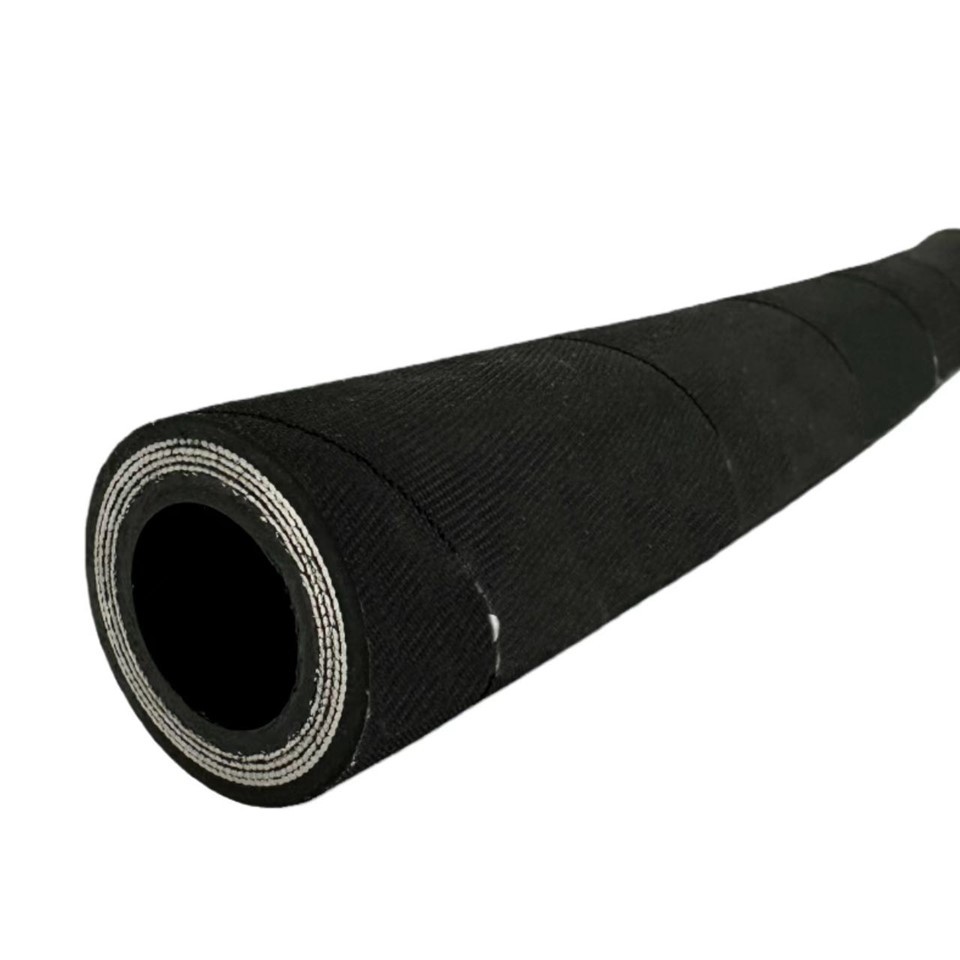
In addition to the material and construction, proper maintenance also plays a big role in the aging resistance of marine floating hoses. Regular inspections, cleaning, and storage in appropriate conditions can significantly extend the lifespan of the hoses. For example, hoses should be stored in a cool, dry place away from direct sunlight when not in use.
If you're in the market for marine floating hoses, it's important to choose a supplier who understands the importance of aging resistance. At our company, we're committed to providing high - quality hoses that can stand up to the rigors of the marine environment. We use the latest technology and materials to ensure that our hoses have excellent aging resistance and long - term performance.
Whether you need a hose for oil transfer, hydraulic applications, or any other marine use, we've got you covered. Our team of experts is always ready to help you choose the right hose for your specific needs. So, if you're interested in our products or have any questions about the aging resistance of marine floating hoses, don't hesitate to reach out. We're here to assist you in making the best decision for your marine operations.
In conclusion, aging resistance is a vital characteristic of marine floating hoses. It ensures the safety, reliability, and long - term performance of these hoses in the harsh marine environment. By choosing high - quality hoses with good aging resistance, you can reduce the risk of leaks, failures, and costly replacements. So, if you're looking for top - notch marine floating hoses, give us a shout. We're confident that our products will meet your expectations and provide you with years of trouble - free service.
References
- Industry standards and guidelines for marine floating hoses
- Technical literature on rubber and synthetic materials used in hose manufacturing