




What are the factors that affect the performance of an oil field hose?
 Dec 16, 2025|
 As a seasoned supplier in the oil field hose industry, I've witnessed firsthand the critical role these hoses play in the smooth operation of oil fields. The performance of an oil field hose is not just a matter of its basic functionality; it's a complex interplay of multiple factors that can significantly impact its efficiency, durability, and safety. In this blog, I'll delve into the key factors that affect the performance of an oil field hose, providing insights based on my years of experience in the field.
Material Quality
The quality of materials used in the manufacturing of oil field hoses is perhaps the most fundamental factor influencing their performance. High - quality materials are essential for withstanding the harsh conditions typically encountered in oil fields.
- Inner Tube Material: The inner tube is in direct contact with the fluid being transported, whether it's crude oil, hydraulic fluid, or other chemicals. Materials like nitrile rubber are commonly used due to their excellent resistance to oil and fuel. Fluorocarbon rubber, on the other hand, offers superior chemical resistance, making it suitable for hoses that need to handle more aggressive substances. A high - quality inner tube material ensures that the hose doesn't degrade over time due to chemical reactions with the transported fluid, preventing leaks and maintaining the integrity of the hose.
- Reinforcement Layer: The reinforcement layer provides the hose with strength and pressure resistance. Steel wire braids or spirals are widely used in oil field hoses. For example, in high - pressure applications, multi - layer steel wire spirals are often employed. The quality of the steel wire, its tensile strength, and the precision of the winding process all contribute to the hose's ability to withstand high pressures without bursting or deforming. A well - constructed reinforcement layer can also improve the hose's flexibility, which is crucial for ease of installation and use in various oil field equipment.
- Outer Cover Material: The outer cover protects the hose from external factors such as abrasion, weather, and mechanical damage. Synthetic rubber materials with good abrasion resistance, like chloroprene rubber, are commonly used. A durable outer cover extends the lifespan of the hose, especially in rough oil field environments where hoses may be dragged across the ground or come into contact with sharp objects.
Design and Construction
The design and construction of an oil field hose are equally important as the materials used.

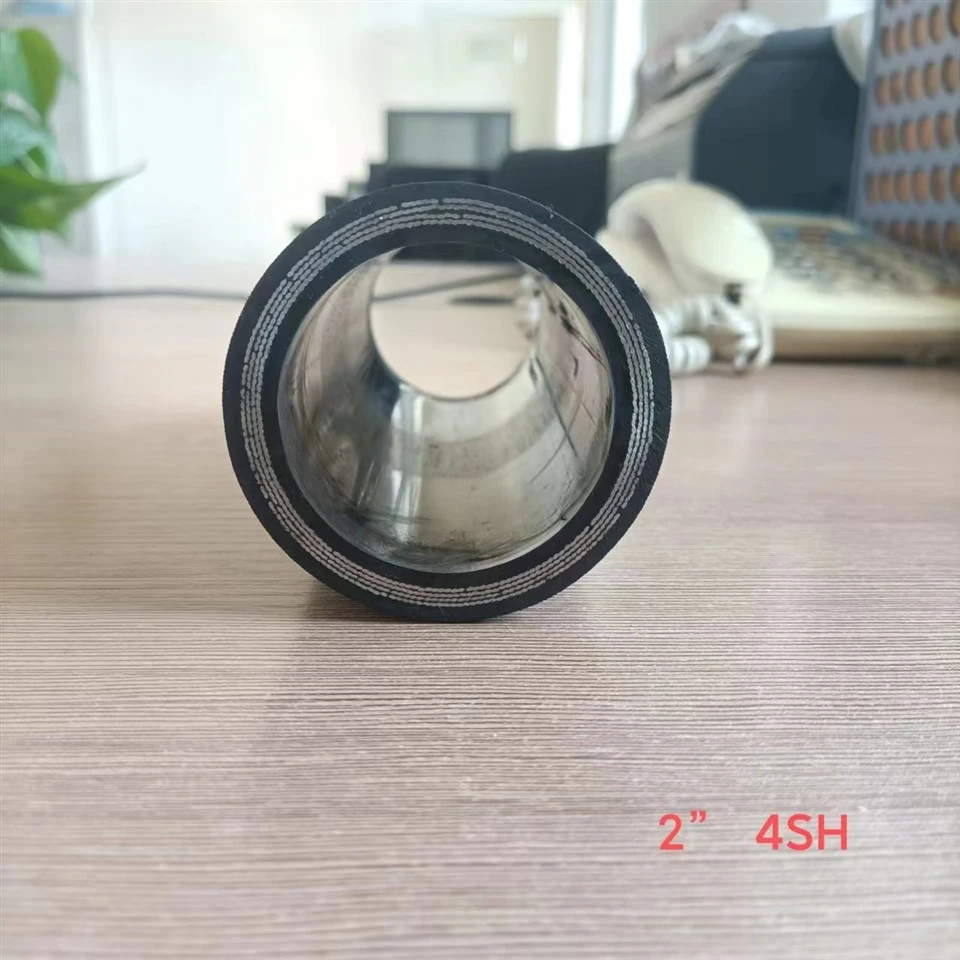
- Hose Diameter and Wall Thickness: The diameter of the hose affects the flow rate of the fluid. A larger diameter allows for a higher flow rate, which is beneficial in applications where large volumes of fluid need to be transported quickly. However, the wall thickness also needs to be carefully considered. A thicker wall can provide more strength and pressure resistance, but it may also reduce the flexibility of the hose. Engineers need to strike a balance between diameter, wall thickness, and the specific requirements of the oil field operation.
- End Fittings: The end fittings are crucial for connecting the hose to other components in the oil field system. Properly designed and installed end fittings ensure a leak - free connection. Different types of end fittings, such as crimped, swaged, or threaded fittings, are available, each with its own advantages and limitations. For example, crimped fittings are known for their high - strength connection, while threaded fittings offer ease of installation and removal. The choice of end fitting depends on factors such as the pressure rating, the type of fluid, and the frequency of connection and disconnection.
- Layering and Bonding: In multi - layer hoses, the quality of the bonding between different layers is essential. A strong bond ensures that the layers work together as a single unit, preventing delamination. Delamination can lead to a significant reduction in the hose's performance, as it may cause the hose to bulge, burst, or leak. Advanced manufacturing techniques are used to ensure proper bonding between the inner tube, reinforcement layer, and outer cover.
Operating Conditions
The conditions under which an oil field hose operates have a profound impact on its performance.
- Temperature: Extreme temperatures can affect the physical and chemical properties of the hose materials. High temperatures can cause the rubber to soften, reducing its strength and pressure resistance. On the other hand, low temperatures can make the rubber brittle, increasing the risk of cracking. For example, in arctic oil fields, hoses need to be designed to withstand extremely low temperatures. Specialized rubber compounds and insulation techniques are used to ensure that the hoses can operate effectively in a wide range of temperatures.
- Pressure: Oil field operations often involve high - pressure applications. The pressure rating of the hose must be carefully matched to the operating pressure of the system. Exceeding the pressure rating can lead to hose failure, which can be dangerous and costly. Regular pressure testing and monitoring are essential to ensure that the hoses are operating within their safe limits.
- Fluid Compatibility: As mentioned earlier, the inner tube material must be compatible with the fluid being transported. Different fluids have different chemical properties, and using a hose with an incompatible inner tube material can lead to degradation, swelling, or hardening of the rubber. For example, some chemicals may react with certain types of rubber, causing it to break down over time. It's important to conduct thorough compatibility tests before selecting a hose for a specific fluid.
Maintenance and Inspection
Proper maintenance and inspection are key to ensuring the long - term performance of oil field hoses.
- Regular Cleaning: Cleaning the hoses regularly helps to remove dirt, debris, and chemical residues that can accumulate on the surface. This not only extends the lifespan of the outer cover but also prevents contaminants from seeping into the hose and causing internal damage.
- Inspection for Damage: Regular visual inspections should be carried out to check for signs of wear, tear, cracks, or bulges. Non - destructive testing methods, such as ultrasonic testing, can also be used to detect internal damage that may not be visible to the naked eye. Any damaged hoses should be replaced immediately to prevent potential failures.
- Proper Storage: When not in use, hoses should be stored properly. They should be kept in a cool, dry place away from direct sunlight and sources of heat. Coiling the hoses correctly and avoiding sharp bends during storage can prevent damage and maintain their flexibility.
Industry Standards and Certifications
Adhering to industry standards and obtaining relevant certifications is crucial for ensuring the performance and safety of oil field hoses.
- ISO Standards: The International Organization for Standardization (ISO) has developed a series of standards for hoses, including those used in the oil field. These standards cover aspects such as material quality, design, performance, and testing methods. Hoses that meet ISO standards are more likely to perform reliably in oil field applications.
- Other Standards: In addition to ISO standards, there are other industry - specific standards, such as EN856 4SP Hydraulic Hose, DIN EN856 SAE100 R12, and SAE R13 R15. These standards provide detailed specifications for different types of hoses, ensuring that they are suitable for specific oil field applications.
In conclusion, the performance of an oil field hose is influenced by a multitude of factors, including material quality, design and construction, operating conditions, maintenance, and industry standards. As a supplier, we are committed to providing high - quality hoses that meet the diverse needs of the oil field industry. If you are in the market for oil field hoses and want to discuss your specific requirements, we invite you to reach out to us for a detailed procurement discussion. We have the expertise and experience to help you select the right hoses for your oil field operations.
References
- "Handbook of Rubber Technology" by K. George Nadkarni
- "Hydraulic Hose Design and Application" by various industry experts
- Industry standards documents from ISO, SAE, and other relevant organizations.