




How to store an LPG hose to prevent damage?
 Dec 01, 2025|
 As an LPG hose supplier, I understand the importance of proper storage to prevent damage to these essential components. LPG hoses are crucial for safely transferring liquefied petroleum gas, and any damage can lead to leaks, safety hazards, and costly replacements. In this blog post, I'll share some scientific and practical tips on how to store an LPG hose to keep it in top condition.
1. Clean the Hose Before Storage
Before storing your LPG hose, it's essential to clean it thoroughly. Residues of LPG, dirt, or other contaminants can cause corrosion and damage over time. Use a mild detergent and warm water to clean the exterior of the hose. Make sure to rinse it well to remove all soap residues. For the interior, if possible, flush it with clean water to remove any remaining gas or debris. After cleaning, allow the hose to dry completely. Moisture can promote the growth of mold and mildew, which can weaken the hose material.
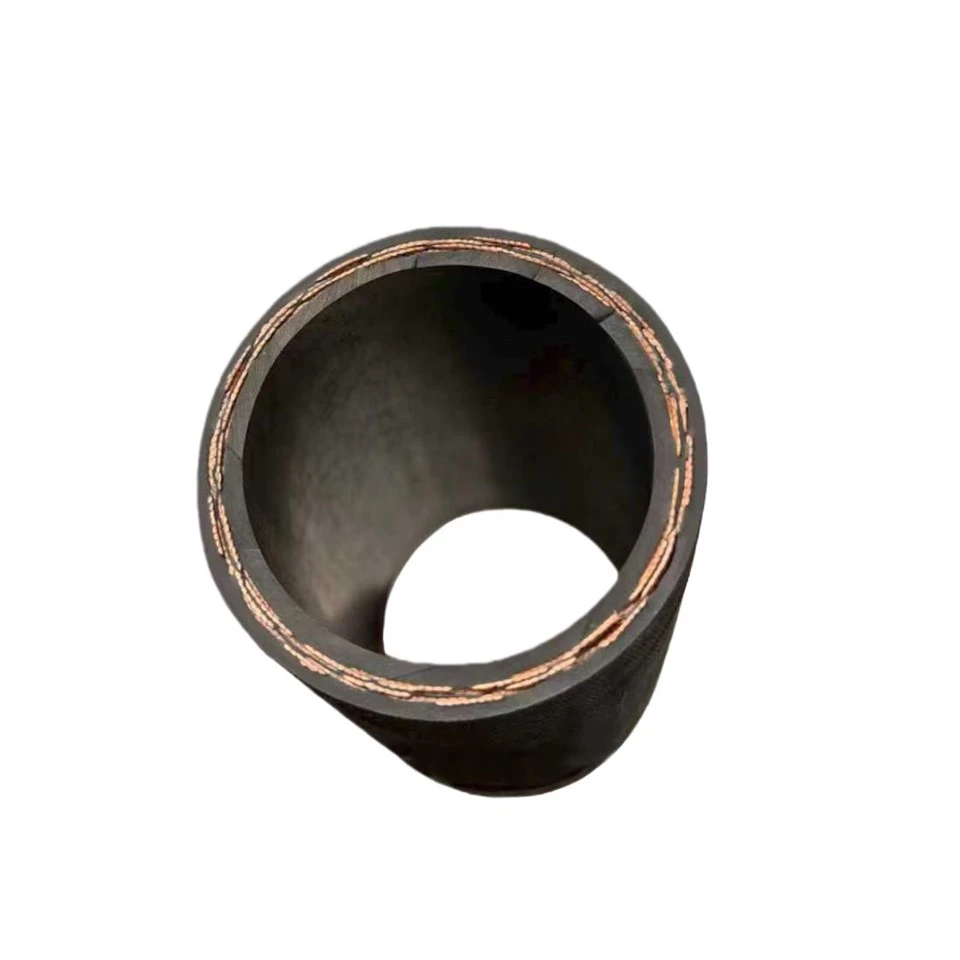

2. Choose the Right Storage Location
The storage location plays a vital role in preventing damage to your LPG hose. Here are some key factors to consider:
Temperature
LPG hoses are made of materials that can be affected by extreme temperatures. High temperatures can cause the rubber to become soft and lose its elasticity, while low temperatures can make it brittle. Ideally, store the hose in a location where the temperature remains between 10°C and 30°C (50°F and 86°F). Avoid storing it in direct sunlight or near heat sources such as radiators or furnaces.
Humidity
High humidity can lead to corrosion of the hose fittings and degradation of the hose material. Choose a dry storage area with a relative humidity below 60%. If the storage area is prone to high humidity, consider using a dehumidifier to keep the environment dry.
Protection from Physical Damage
The storage area should be free from sharp objects, heavy equipment, and other potential sources of physical damage. Store the hose away from areas where it could be stepped on, crushed, or punctured. You can use a dedicated storage rack or cabinet to keep the hose safe.
3. Coil the Hose Properly
When coiling the LPG hose for storage, it's important to do it correctly to avoid kinking and stress on the hose. Here's how:
Use a Large Diameter Coil
Coil the hose around a large diameter object, such as a pipe or a drum. A larger diameter coil reduces the stress on the hose and prevents kinking. Avoid coiling the hose too tightly, as this can also cause damage.
Avoid Sharp Bends
Make sure the coils are smooth and free from sharp bends. Sharp bends can restrict the flow of gas and cause damage to the internal structure of the hose. If possible, use a hose coiling tool to ensure a uniform and gentle coil.
Secure the Coil
Once the hose is coiled, use a tie or a strap to secure it. This will prevent the coil from unraveling and causing tangles. However, don't tie it too tightly, as this can also damage the hose.
4. Protect the Fittings
The fittings on the LPG hose are vulnerable to damage during storage. Here are some ways to protect them:
Cap the Fittings
Use protective caps or plugs to cover the fittings. This will prevent dirt, dust, and moisture from entering the hose and causing corrosion. Make sure the caps fit snugly and are made of a material that is compatible with the LPG.
Inspect the Fittings
Before storing the hose, inspect the fittings for any signs of damage or wear. If you notice any cracks, leaks, or loose connections, replace the fittings before storage. This will ensure the safety and reliability of the hose when it's used again.
5. Check the Hose Regularly
Even when stored properly, it's important to check the LPG hose regularly for any signs of damage. Here's what to look for:
Visual Inspection
Inspect the hose for any visible signs of damage, such as cracks, cuts, bulges, or discoloration. Check the fittings for corrosion, loose connections, or other signs of wear. If you notice any problems, replace the hose or the fittings immediately.
Pressure Test
Periodically perform a pressure test on the hose to check for leaks. This can be done using a pressure gauge and a source of compressed air or nitrogen. Follow the manufacturer's instructions for performing the pressure test and make sure to use the correct pressure rating for the hose.
6. Consider the Hose Type
Different types of LPG hoses have different storage requirements. For example, some hoses are made of materials that are more resistant to heat, chemicals, or abrasion than others. When storing your LPG hose, make sure to follow the manufacturer's recommendations for the specific type of hose you have.
SAE 100 R3 EN 854
This type of hose is commonly used for low-pressure applications. It is made of a synthetic rubber inner tube and a textile braid reinforcement. When storing an SAE 100 R3 EN 854 hose, make sure to keep it away from chemicals and solvents that can damage the rubber.
SAE 100 R6 Hydraulic Hose
SAE 100 R6 hydraulic hoses are designed for medium-pressure applications. They have a higher burst pressure and are more resistant to abrasion than SAE 100 R3 hoses. When storing an SAE 100 R6 hydraulic hose, make sure to protect it from physical damage and extreme temperatures.
SAE R7R8
SAE R7R8 hoses are used for high-pressure applications. They are made of a synthetic rubber inner tube and a steel wire braid reinforcement. When storing an SAE R7R8 hose, make sure to keep it away from moisture and corrosive substances.
Conclusion
Proper storage of an LPG hose is essential to prevent damage and ensure its safety and reliability. By following the tips outlined in this blog post, you can extend the lifespan of your LPG hose and avoid costly replacements. Remember to clean the hose before storage, choose the right storage location, coil it properly, protect the fittings, check it regularly, and consider the hose type.
If you're in the market for high-quality LPG hoses, we're here to help. As a leading LPG hose supplier, we offer a wide range of hoses that meet the highest industry standards. Contact us today to discuss your specific requirements and explore our product offerings. We look forward to working with you to provide the best LPG hose solutions for your needs.
References
- "LPG Hose Installation and Maintenance Guide" - Industry Standard Publication
- Manufacturer's Instructions for Various LPG Hose Types