




How to transport floating rubber oil hoses?
 Dec 17, 2025|
 Transporting floating rubber oil hoses is a critical process that requires careful planning and execution to ensure the hoses arrive at their destination in optimal condition. As a leading floating rubber oil hose supplier, we understand the importance of safe and efficient transportation. In this blog, we will delve into the key aspects of transporting these specialized hoses, including preparation, packaging, and shipping considerations.
Understanding Floating Rubber Oil Hoses
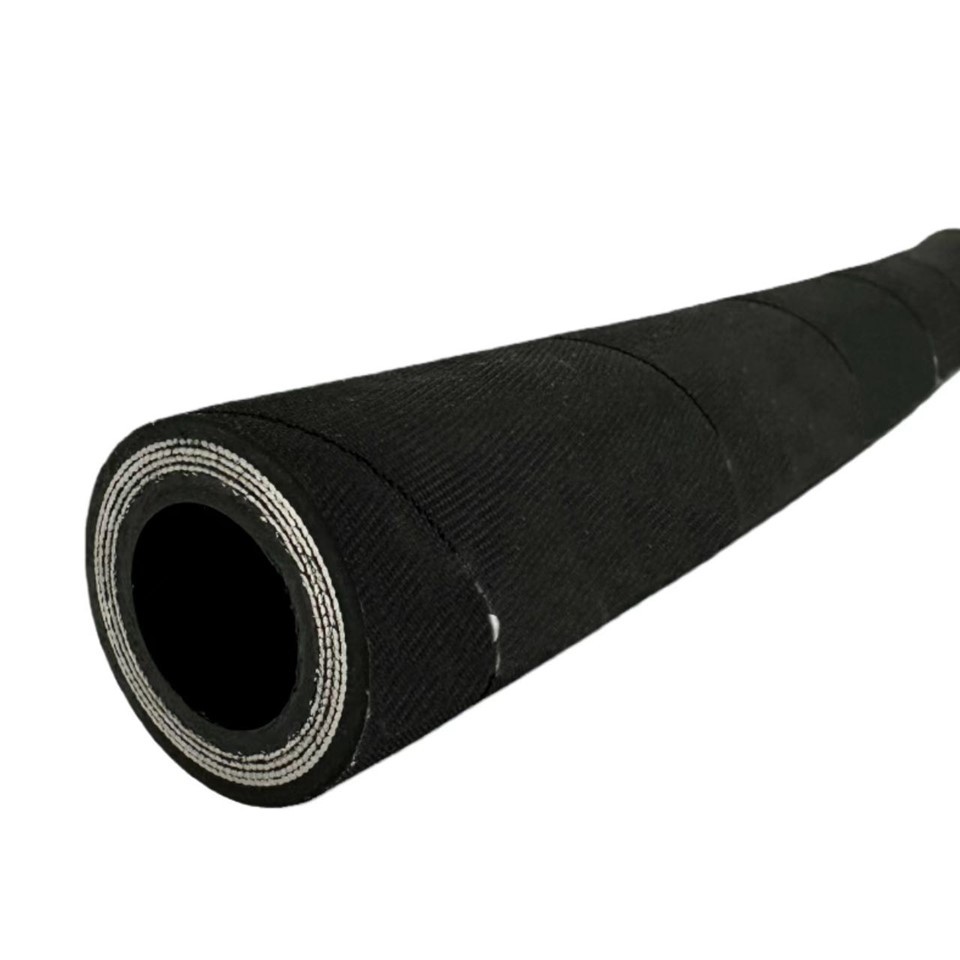
Floating rubber oil hoses are designed to transport oil and other petroleum - based products on the water surface. They are constructed with high - quality rubber materials that provide flexibility, durability, and resistance to oil and harsh environmental conditions. These hoses are commonly used in offshore oil extraction, oil transfer between ships, and tanker loading and unloading operations. For more details on related hoses, you can check out our Oil Extraction Hose.

Preparation for Transportation
Inspection of Hoses
Before transportation, a thorough inspection of the floating rubber oil hoses is essential. Check for any signs of damage, such as cuts, abrasions, or leaks. Ensure that the hoses meet the required quality standards and are in good working condition. Any damaged hoses should be repaired or replaced to avoid issues during transportation and subsequent use.
Measuring and Recording Dimensions
Accurately measure the length, diameter, and weight of each hose. This information is crucial for determining the appropriate packaging and shipping method. Record these dimensions in a detailed inventory list, which will also be useful for tracking the hoses during transit.
Cleaning the Hoses
Cleaning the hoses before transportation helps prevent the spread of contaminants and reduces the risk of damage. Use a mild cleaning agent and water to remove any oil residues, dirt, or debris from the surface of the hoses. Allow the hoses to dry completely to prevent mold and mildew growth.
Packaging of Floating Rubber Oil Hoses
Selecting the Right Packaging Materials
The choice of packaging materials depends on the size, shape, and quantity of the hoses. For individual hoses, use heavy - duty plastic or fabric sleeves to protect them from scratches and abrasions. When shipping multiple hoses, consider using wooden crates or steel containers. These materials provide sturdy protection and can withstand the rigors of transportation.
Coiling and Securing the Hoses
Coil the floating rubber oil hoses neatly to minimize their volume and make them easier to handle. Use non - abrasive straps or bands to secure the coils in place. Avoid over - tightening the straps, as this can cause damage to the hoses. Make sure the coils are compact and well - balanced to prevent shifting during transportation.
Labeling and Documentation
Each package should be clearly labeled with relevant information, such as the hose type, length, diameter, and destination. Include handling instructions and any safety warnings on the labels. Along with the packages, prepare detailed shipping documentation, including a bill of lading, packing list, and safety data sheets. These documents will facilitate smooth customs clearance and ensure that the hoses are handled correctly throughout the transportation process.
Shipping Considerations
Choosing the Right Transport Mode
There are several transport modes available for shipping floating rubber oil hoses, including sea freight, air freight, and land transportation. The choice of transport mode depends on factors such as the distance, urgency of delivery, and cost.
- Sea Freight: Ideal for large - scale shipments over long distances. Sea freight is cost - effective but has a longer transit time. Ensure that the shipping containers are properly secured on the vessel to prevent damage from rough seas.
- Air Freight: Suitable for urgent deliveries. Air freight is faster but more expensive. Ensure that the hoses are packed in accordance with airline regulations to avoid any issues during transit.
- Land Transportation: Can be used for local or regional deliveries. Use flatbed trucks or trailers with proper securing mechanisms to prevent the hoses from moving during transit.
Insurance
It is highly recommended to purchase insurance for the floating rubber oil hoses during transportation. Insurance provides financial protection in case of damage, loss, or theft during transit. Work with a reputable insurance provider to determine the appropriate coverage for your shipment.
Tracking and Monitoring
Utilize tracking systems to monitor the progress of your shipment. Most shipping companies offer online tracking services that allow you to track the location of your hoses in real - time. This helps you stay informed about the status of your delivery and take appropriate action if any issues arise.
Handling at the Destination
Unloading and Inspection
Upon arrival at the destination, carefully unload the floating rubber oil hoses from the transport vehicle. Inspect the hoses again for any signs of damage that may have occurred during transportation. If any damage is detected, document it immediately and notify the shipping company and insurance provider.
Storage
If the hoses are not going to be used immediately, store them in a suitable environment. Keep the hoses away from direct sunlight, extreme temperatures, and sharp objects. Store the coils on a flat surface or on racks to prevent deformation.
Conclusion
Transporting floating rubber oil hoses requires a comprehensive approach that encompasses preparation, packaging, shipping, and handling at the destination. By following the guidelines outlined in this blog, you can ensure that your hoses are transported safely and efficiently. As a trusted floating rubber oil hose supplier, we are committed to providing high - quality products and assisting our customers in all aspects of transportation. If you are interested in purchasing Sae 100r12 Hydraulic Hose or EN856 4SP Hydraulic Hose, or have any questions regarding floating rubber oil hoses transportation, please feel free to contact us for further discussion and procurement negotiations.
References
- "Handbook of Rubber Technology" by K. George Thomas
- "Transportation Management in the Supply Chain" by John Langley, Jr. and C. John Caplice