




What are the national standards for oil rig hoses?
 Nov 17, 2026|
Hey there! As an oil rig hoses supplier, I often get asked about the national standards for these crucial pieces of equipment. So, I thought I'd take some time to break it all down for you in this blog post.
First off, why are national standards so important for oil rig hoses? Well, oil rig operations are extremely demanding and dangerous. Hoses are used to transfer all sorts of fluids, like oil, gas, and hydraulic fluids, under high pressure and in harsh environments. National standards ensure that these hoses are safe, reliable, and perform up to par. They set the benchmarks for things like material quality, construction, pressure ratings, and temperature resistance.
Let's start with the international and national standards that are widely recognized in the oil and gas industry. One of the most well - known standards is the SAE (Society of Automotive Engineers) standards. SAE has a range of specifications for hydraulic hoses, and some of them are highly relevant to oil rig applications. For example, the SAE R13 and R15 standards. These standards define the requirements for steel wire spiral hydraulic hoses. The SAE R13 hoses are designed for high - pressure applications, typically with a working pressure that can go up to several thousand pounds per square inch (psi). They are known for their excellent burst pressure ratings and durability. You can find more details about hoses that meet the SAE R13 and R15 standards here: DIN EN856 SAE R13 R15.
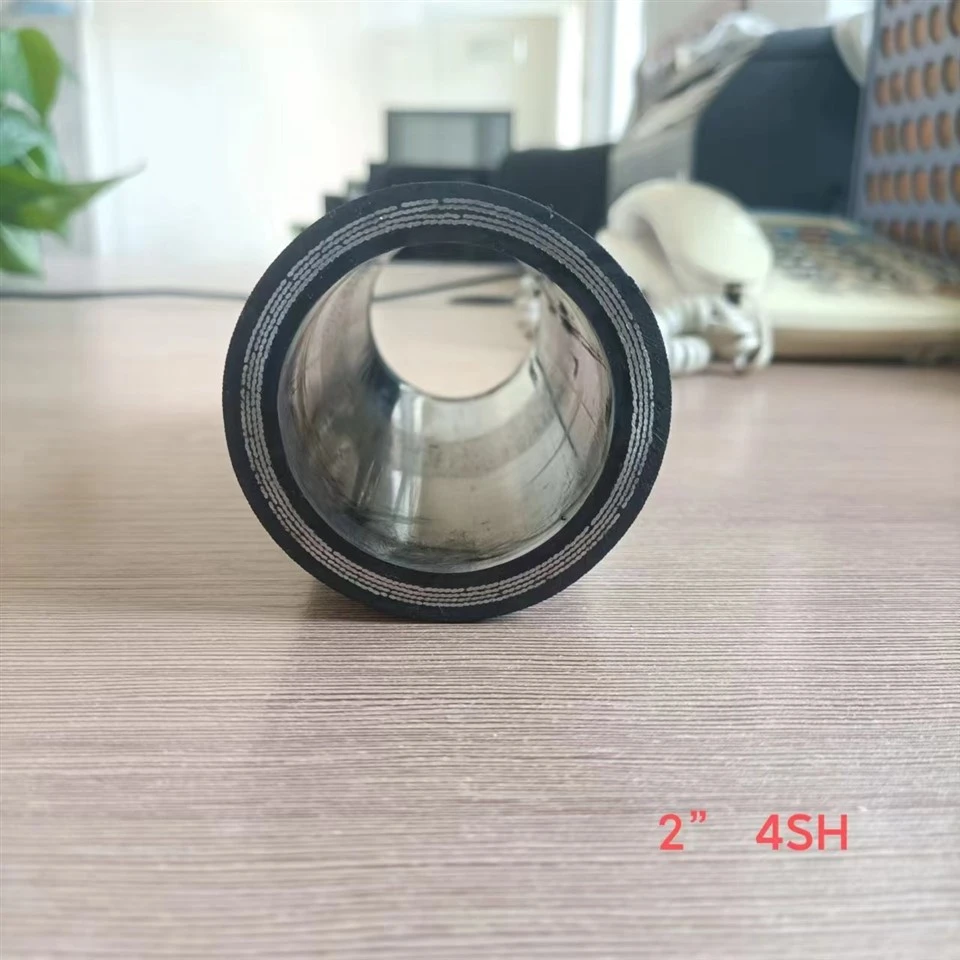
Another important set of standards is the DIN (Deutsches Institut für Normung) and EN (European Norm) standards. The DIN EN856 standard, in particular, is widely used in Europe and globally. It classifies different types of hydraulic hoses based on their construction, performance, and application. For example, the EN856 4SP hydraulic hose is a popular choice in oil rig operations. This type of hose has four layers of steel wire reinforcement, which gives it high strength and resistance to pressure. It's suitable for applications where high - pressure hydraulic systems are in use. If you want to learn more about EN856 4SP hydraulic hoses, check out this link: EN856 4SP Hydraulic Hose.
In the United States, the API (American Petroleum Institute) also plays a significant role in setting standards for oil and gas equipment, including hoses. API standards are focused on ensuring the safety and reliability of equipment used in the petroleum industry. API - compliant hoses are designed to withstand the extreme conditions found on oil rigs, such as high temperatures, corrosion, and abrasion.
When it comes to oil drilling hoses specifically, there are additional considerations. Oil drilling hoses need to be able to handle the unique demands of the drilling process. They are often used to transfer drilling mud, which is a heavy and abrasive fluid. These hoses need to have a thick inner tube made of a material that can resist abrasion and chemical attack. They also need to be flexible enough to move with the drilling equipment. Our Oil Drilling Hose is designed to meet these requirements and comply with relevant national and international standards.
Now, let's talk about the different components of an oil rig hose and how national standards apply to them.
Inner Tube
The inner tube is the part of the hose that comes into direct contact with the fluid being transported. National standards specify the type of material that can be used for the inner tube based on the fluid it will carry. For example, if the hose is going to carry oil, the inner tube material needs to be resistant to oil swelling and degradation. Common materials for inner tubes include nitrile rubber, which is known for its excellent oil resistance, and fluorocarbon rubber, which offers even higher chemical resistance but is more expensive.
Reinforcement Layer
The reinforcement layer is what gives the hose its strength and pressure - carrying capacity. Standards define the type, number, and arrangement of the reinforcement materials. Steel wire is a common reinforcement material for high - pressure oil rig hoses. The SAE and DIN/EN standards often specify the minimum and maximum wire diameter, the number of wire layers, and the pitch of the wire spiral.
Outer Cover
The outer cover protects the hose from external damage, such as abrasion, weathering, and chemical exposure. National standards require the outer cover to be made of a durable material that can withstand the rigors of the oil rig environment. For example, it needs to be resistant to ozone, sunlight, and oil spills. Neoprene and chloroprene are popular materials for outer covers because they offer good resistance to these factors.
When choosing oil rig hoses, it's crucial to ensure that they meet the relevant national standards. Using non - compliant hoses can lead to serious safety hazards, such as leaks, bursts, and equipment failures. It can also result in costly downtime and repairs.
As a supplier, I understand the importance of providing high - quality, compliant hoses. That's why we make sure that all our products are manufactured to meet the strictest national and international standards. Whether you're looking for hoses for hydraulic systems, drilling operations, or other oil rig applications, we've got you covered.

If you're in the market for oil rig hoses and want to learn more about our products or discuss your specific requirements, don't hesitate to reach out. We're here to help you make the right choice and ensure that your oil rig operations run smoothly and safely.
References
- Society of Automotive Engineers (SAE) standards documentation
- Deutsches Institut für Normung (DIN) and European Norm (EN) standards publications
- American Petroleum Institute (API) standards for oil and gas equipment