




What is the abrasion resistance of an oil drilling hose?
 Nov 22, 2026|
Hey there! As a supplier of oil drilling hoses, I often get asked about the abrasion resistance of these hoses. It's a crucial factor, especially in the tough and demanding environment of oil drilling. So, let's dive right in and explore what abrasion resistance in an oil drilling hose really means.
What is Abrasion Resistance?
Abrasion resistance refers to a material's ability to withstand the wear and tear caused by rubbing, scraping, or friction against other surfaces. In the context of oil drilling hoses, this is super important. These hoses are constantly in contact with rough surfaces, such as rocks, metal equipment, and even the ground. If they don't have good abrasion resistance, they can quickly get damaged, leading to leaks, downtime, and increased costs.
Why is Abrasion Resistance Important for Oil Drilling Hoses?
In the oil drilling industry, hoses are used for a variety of tasks, like transporting drilling fluids, oil, and gas. They are exposed to harsh conditions, including high pressures, extreme temperatures, and abrasive materials. A hose with poor abrasion resistance can develop holes or cracks, which can result in fluid leaks. This not only poses a safety risk but also leads to environmental pollution and financial losses.
Imagine a scenario where a hose is constantly rubbing against a sharp edge on a drilling rig. If the hose doesn't have good abrasion resistance, it will start to wear down quickly. This can lead to a rupture, and suddenly, you've got a major problem on your hands. You'll have to shut down the operation to replace the hose, which can cost a lot of money in terms of lost production time and the cost of the new hose.
Factors Affecting Abrasion Resistance
Several factors can affect the abrasion resistance of an oil drilling hose. Let's take a look at some of the most important ones:
Material
The material used to make the hose is one of the most significant factors. Different materials have different levels of abrasion resistance. For example, rubber is a common material used in oil drilling hoses because it has good flexibility and can withstand a certain amount of abrasion. However, some types of rubber are more abrasion-resistant than others.
There are also synthetic materials that can be used to enhance the abrasion resistance of hoses. These materials are often designed to be more durable and resistant to wear and tear. For instance, some hoses are made with a combination of rubber and synthetic fibers, which can provide better abrasion resistance than rubber alone.
Construction
The construction of the hose also plays a role in its abrasion resistance. Hoses with multiple layers are generally more abrasion-resistant than single-layer hoses. The outer layer of the hose is especially important, as it is the part that comes into contact with the abrasive surfaces. A thick and tough outer layer can provide better protection against abrasion.
Some hoses are also designed with special features to enhance their abrasion resistance. For example, some hoses have a spiral reinforcement layer, which can help to distribute the stress evenly and prevent the hose from wearing down in one area.
Operating Conditions
The operating conditions of the hose can also affect its abrasion resistance. If the hose is used in a high-temperature environment, it may be more prone to abrasion. Similarly, if the hose is exposed to abrasive materials, such as sand or gravel, it will experience more wear and tear.
It's important to consider the operating conditions when choosing an oil drilling hose. Make sure to select a hose that is suitable for the specific conditions in which it will be used.
Testing Abrasion Resistance
To ensure that an oil drilling hose has good abrasion resistance, it is important to test it. There are several methods for testing abrasion resistance, including the Taber Abraser test and the Akron Abrasion test.
The Taber Abraser test involves rotating a specimen of the hose against a pair of abrasive wheels. The amount of material that is worn off the specimen is measured, and this is used to determine the abrasion resistance of the hose.
The Akron Abrasion test involves rotating a specimen of the hose against a rotating drum covered with an abrasive material. The amount of material that is worn off the specimen is also measured, and this is used to determine the abrasion resistance of the hose.

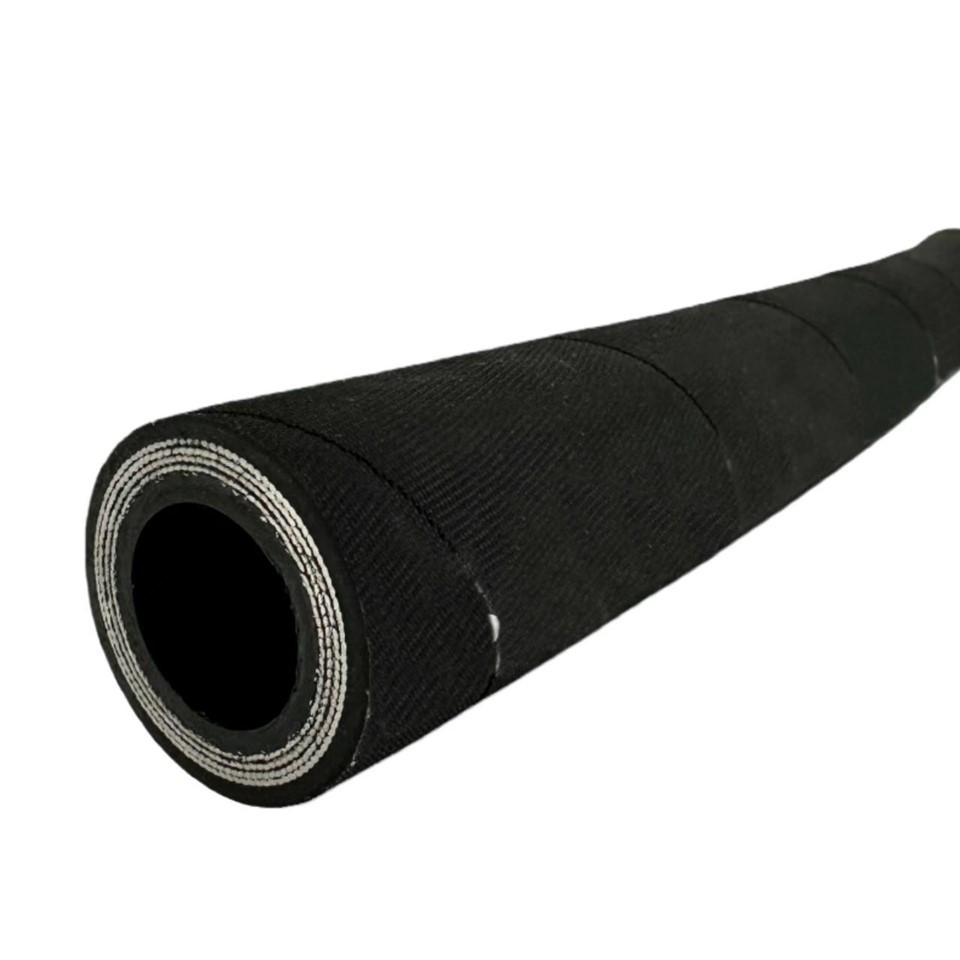
Our Oil Drilling Hoses
At our company, we offer a wide range of oil drilling hoses with excellent abrasion resistance. Our hoses are made from high-quality materials and are designed to withstand the harsh conditions of the oil drilling industry.
We have hoses that are suitable for different applications, including Sae 100r12 Hydraulic Hose, DIN EN856 SAE R13 R15, and Oil Extraction Hose. These hoses are tested to ensure that they meet the highest standards of quality and performance.
Conclusion
Abrasion resistance is a crucial factor in the performance of oil drilling hoses. A hose with good abrasion resistance can help to prevent leaks, reduce downtime, and save money. When choosing an oil drilling hose, it's important to consider the material, construction, and operating conditions.
If you're in the market for oil drilling hoses, we'd love to hear from you. Our team of experts can help you choose the right hose for your specific needs. Contact us today to start a conversation about your oil drilling hose requirements.
References
- ASTM D3389 - Standard Test Method for Abrasion Resistance of Organic Coatings by the Taber Abraser
- ASTM D2228 - Standard Test Method for Rubber Property - Abrasion Resistance (Akron Type)