




What is the shear resistance of marine floating hoses?
 Oct 31, 2026|
As a supplier of marine floating hoses, I often encounter inquiries about the shear resistance of these essential components in the maritime industry. Shear resistance is a critical property that determines the durability and performance of marine floating hoses under various operational conditions. In this blog, I will delve into what shear resistance means for marine floating hoses, why it matters, and how we ensure our products meet the highest standards in this regard.
Understanding Shear Resistance
Shear resistance refers to a material's ability to withstand forces that cause one layer of the material to slide or deform relative to an adjacent layer. In the context of marine floating hoses, shear forces can occur due to a variety of factors, such as the movement of the floating hoses on the water surface, the interaction between the hoses and the waves, and the tension and compression forces during the loading and unloading of liquids.
When a marine floating hose is subjected to shear forces, it can experience deformation, which may lead to internal damage, such as the separation of the reinforcement layers or the rupture of the inner tube. If the shear resistance of the hose is insufficient, these damages can compromise the integrity of the hose, resulting in leaks, spills, and even complete failure of the hose system. Therefore, a high shear resistance is crucial for ensuring the safe and reliable operation of marine floating hoses.
Factors Affecting Shear Resistance
Several factors can influence the shear resistance of marine floating hoses. One of the most important factors is the material used in the construction of the hose. High - quality elastomers, such as synthetic rubbers, are commonly used for the inner tube and outer cover of marine floating hoses due to their excellent flexibility, chemical resistance, and abrasion resistance. The reinforcement layers, typically made of steel wires or textile fibers, also play a vital role in enhancing the shear resistance of the hose.
The design and structure of the hose also have a significant impact on its shear resistance. For example, the number and arrangement of the reinforcement layers can affect how the hose distributes the shear forces. A well - designed hose with multiple layers of reinforcement can better withstand shear forces by evenly distributing the load across the different layers.
The manufacturing process is another key factor. Precise manufacturing techniques ensure that the different components of the hose are properly bonded together, reducing the risk of delamination under shear forces. At our company, we use advanced manufacturing processes to ensure the high quality and consistency of our marine floating hoses.
Importance of Shear Resistance in Marine Applications
In the marine environment, marine floating hoses are exposed to harsh conditions, including strong waves, high winds, and variable sea states. These conditions can generate significant shear forces on the hoses. For example, during a storm, the waves can cause the hoses to move and twist, subjecting them to large shear stresses.
In the oil and gas industry, marine floating hoses are used for the transfer of crude oil, refined products, and other hazardous liquids. A failure of the hose due to insufficient shear resistance can lead to environmental disasters, such as oil spills, which can have a devastating impact on the marine ecosystem. Moreover, it can also result in significant economic losses for the operators due to the interruption of the transfer process, the cost of cleaning up the spill, and potential legal liabilities.
In the chemical industry, where marine floating hoses are used to transfer various chemicals, a hose failure can pose a serious safety risk to the workers and the surrounding environment. High shear resistance is essential to prevent leaks and spills of toxic or corrosive chemicals.
Our Company's Approach to Ensuring Shear Resistance
As a leading supplier of marine floating hoses, we are committed to providing products with excellent shear resistance. We start by carefully selecting the materials for our hoses. We use high - performance elastomers that have been specifically formulated to resist shear forces and other environmental factors. Our reinforcement layers are made of high - strength steel wires or textile fibers, which are carefully engineered to provide maximum support and stability to the hose.
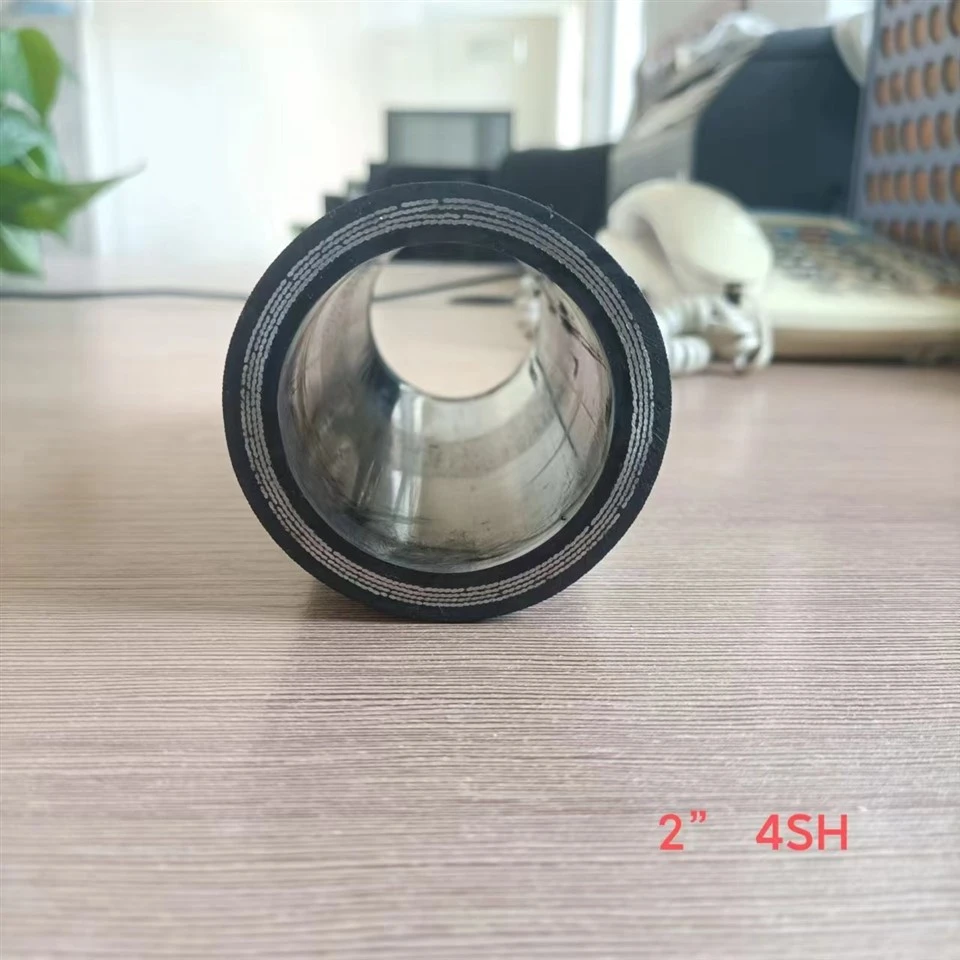

We also invest in advanced research and development to continuously improve the design and structure of our marine floating hoses. Our engineering team uses state - of - the - art computer - aided design (CAD) and finite element analysis (FEA) tools to simulate the behavior of the hoses under different shear forces. This allows us to optimize the design of the hoses and ensure that they meet or exceed the industry standards.
In addition, we adhere to strict quality control measures throughout the manufacturing process. Every batch of hoses is tested for shear resistance and other important properties before leaving our factory. We also comply with international standards and regulations, such as DIN EN856 4SP 4SH, DIN EN856 SAE R13 R15, and EN856 4SP Hydraulic Hose, to ensure the reliability and safety of our products.
Testing and Certification
To ensure the shear resistance of our marine floating hoses, we conduct a series of rigorous tests. One of the common tests is the shear strength test, which measures the maximum shear force that the hose can withstand before failure. This test is usually carried out in a laboratory environment using specialized testing equipment.
We also perform field tests to evaluate the performance of our hoses in real - world conditions. By installing our hoses in actual marine applications, we can collect valuable data on their shear resistance and other performance parameters. This feedback is then used to further improve our products.
In addition to our in - house testing, our products are also certified by independent third - party organizations. These certifications serve as a guarantee of the quality and performance of our marine floating hoses, giving our customers peace of mind when using our products.
Conclusion and Call to Action
In conclusion, shear resistance is a crucial property for marine floating hoses. It ensures the durability, reliability, and safety of the hoses in the harsh marine environment. As a supplier, we understand the importance of shear resistance and are dedicated to providing high - quality marine floating hoses that meet the highest standards.
If you are in the market for marine floating hoses, we invite you to contact us for more information. Our team of experts is ready to assist you in selecting the right hoses for your specific needs. Whether you are involved in the oil and gas industry, the chemical industry, or other marine applications, we have the products and expertise to meet your requirements. Let's start a conversation about your project and find the best solutions together.
References
- ASTM International. (Year). Standard test methods for rubber and rubber - like materials.
- ISO. (Year). International standards for marine hoses.
- Manufacturer's technical documentation on marine floating hoses.