




How does a drilling hose perform in hot regions?
 Jan 02, 2026|
 Drilling operations in hot regions present a unique set of challenges, and the performance of drilling hoses is severely tested. As a drilling hose supplier, I have witnessed firsthand how these hoses are pushed to their limits in such extreme conditions. In this blog, I will delve into the factors affecting the performance of drilling hoses in hot regions and how we, as a supplier, ensure that our products can meet these challenging requirements.
1. Environmental Challenges in Hot Regions
The most obvious environmental factor in hot regions is the high temperature. The ambient temperature can often exceed 40°C or even higher, and the surface temperature of equipment exposed to direct sunlight can reach even more extreme levels. This high - temperature environment has several impacts on drilling hoses.
First, the high temperature can cause the rubber material of the hose to lose its elasticity. Rubber is a polymer material with a certain range of operating temperatures. When the temperature is too high, the molecular chains in the rubber begin to move more vigorously, which can lead to a decrease in the mechanical properties of the rubber. For example, the tensile strength and elongation at break of the rubber may be reduced, making the hose more prone to cracking and rupture.
Second, the high - temperature environment can accelerate the oxidation of the rubber. Oxidation is a chemical reaction that occurs when the rubber reacts with oxygen in the air. High temperatures increase the rate of this reaction, which can cause the rubber to harden and become brittle over time. Once the rubber becomes brittle, it loses its ability to absorb shocks and vibrations, which are common in drilling operations, and is more likely to fail.
In addition to high temperature, hot regions often have low humidity. Low humidity can cause the outer surface of the drilling hose to dry out, leading to surface cracking. The dry air also lacks moisture to lubricate and protect the hose, increasing the friction between the hose and other equipment.
2. Performance Requirements for Drilling Hoses in Hot Regions
To operate effectively in hot regions, drilling hoses need to meet several performance requirements.
Heat Resistance
The most critical requirement is heat resistance. Our company offers a range of hoses that are designed to withstand high temperatures. For example, our EN856 4SP Hydraulic Hose is made of a special rubber compound that has excellent heat - resistant properties. This compound can maintain its mechanical properties even at high temperatures, ensuring that the hose does not become too soft or lose its strength.
Aging Resistance
Given the accelerated oxidation in hot regions, aging resistance is also crucial. Our research and development team has developed a series of anti - aging agents that can be added to the rubber compound during the manufacturing process. These agents slow down the oxidation process, extending the service life of the hose. Our DIN EN856 SAE R13 R15 hoses are treated with these anti - aging agents, providing long - term performance in high - temperature environments.
Abrasion Resistance
In drilling operations, hoses are often in contact with rough surfaces, and the dry conditions in hot regions can increase the abrasion. Our hoses are designed with a high - quality outer layer that has excellent abrasion resistance. This outer layer protects the inner structure of the hose from damage, ensuring the integrity of the hose during long - term use. Our Oil Extraction Hose is a good example of a hose with superior abrasion - resistant properties, suitable for the harsh conditions in oil extraction operations in hot regions.
3. Our Manufacturing and Quality Control Processes
As a drilling hose supplier, we have strict manufacturing and quality control processes to ensure that our products meet the high standards required for use in hot regions.
Material Selection
We start with the selection of high - quality raw materials. We source our rubber from trusted suppliers who have a proven track record of providing materials with excellent heat - resistant and aging - resistant properties. The steel wires used in the reinforcement layer are also carefully selected for their high strength and corrosion resistance.
Manufacturing Process
Our manufacturing process is highly automated and controlled. The rubber compound is precisely mixed to ensure a uniform distribution of all the ingredients, including the anti - aging agents and other additives. The steel wires are then precisely wound around the inner tube to provide the necessary strength and pressure resistance. The outer layer is extruded onto the reinforced inner tube, and the entire hose is vulcanized under controlled temperature and pressure conditions to ensure the best possible bonding between the different layers.
Quality Control
We have a comprehensive quality control system in place. Every hose undergoes a series of tests before it leaves our factory. These tests include pressure tests, temperature tests, and aging tests. We simulate the high - temperature and harsh conditions in hot regions in our testing facilities to ensure that our hoses can perform reliably in the real world.
4. Case Studies: Our Hoses in Hot Regions
We have supplied our drilling hoses to many projects in hot regions around the world, and the feedback has been very positive.
In a large - scale oil extraction project in the Middle East, our Oil Extraction Hose was used in the drilling operations. The project was located in a desert area with extremely high temperatures. Despite the harsh environment, our hoses performed well throughout the project. They maintained their flexibility and strength, and there were no reports of hose failures due to heat or aging.

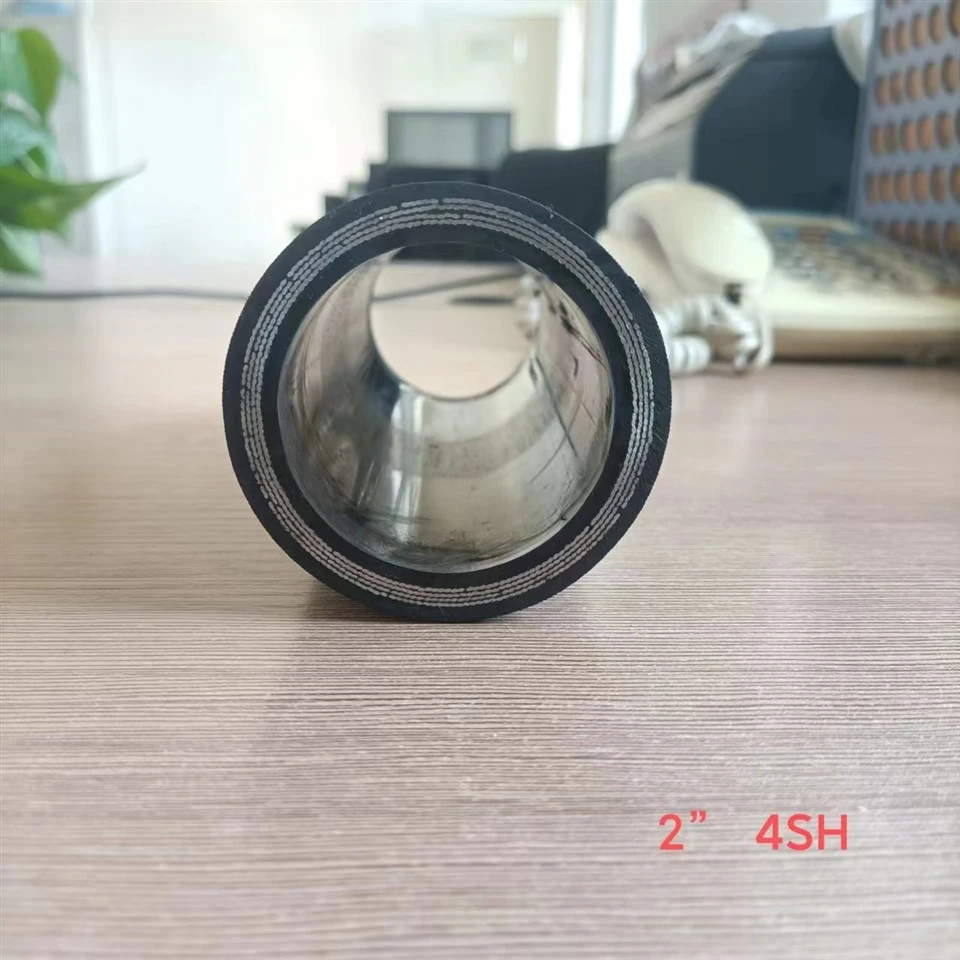
In another project in North Africa, our EN856 4SP Hydraulic Hose was used in the hydraulic systems of the drilling rigs. The high - temperature and low - humidity conditions in the region put a lot of stress on the hoses. However, thanks to their excellent heat - resistance and abrasion - resistance properties, the hoses were able to operate smoothly, reducing downtime and maintenance costs for the project.
5. Conclusion and Call to Action
In conclusion, drilling hoses face significant challenges in hot regions due to high temperatures, low humidity, and accelerated aging. However, with the right design, material selection, and manufacturing processes, it is possible to produce hoses that can perform reliably in these extreme conditions.
As a drilling hose supplier, we are committed to providing high - quality products that meet the needs of our customers in hot regions. Our range of hoses, including the EN856 4SP Hydraulic Hose, DIN EN856 SAE R13 R15, and Oil Extraction Hose, are designed and tested to withstand the harsh conditions of hot - region drilling operations.
If you are looking for a reliable drilling hose supplier for your projects in hot regions, we invite you to contact us for more information. We are eager to discuss your specific requirements and provide you with the best solutions for your drilling operations.
References
- "The Effects of High Temperature on Rubber Materials", Journal of Polymer Science
- "Aging Mechanisms in Rubber Hoses", Rubber Technology Review
- "Abrasion Resistance of Rubber Products", International Journal of Materials Science