




How long is the service life of a floating rubber oil hose?
 Jan 20, 2026|
 Hey there! As a supplier of Floating Rubber Oil Hoses, I often get asked about how long these hoses can actually last. It's a super important question, especially for those in the oil and gas industry or any business that relies on the efficient transfer of oil. So, let's dive right in and explore the factors that affect the service life of a floating rubber oil hose.
1. Quality of Materials
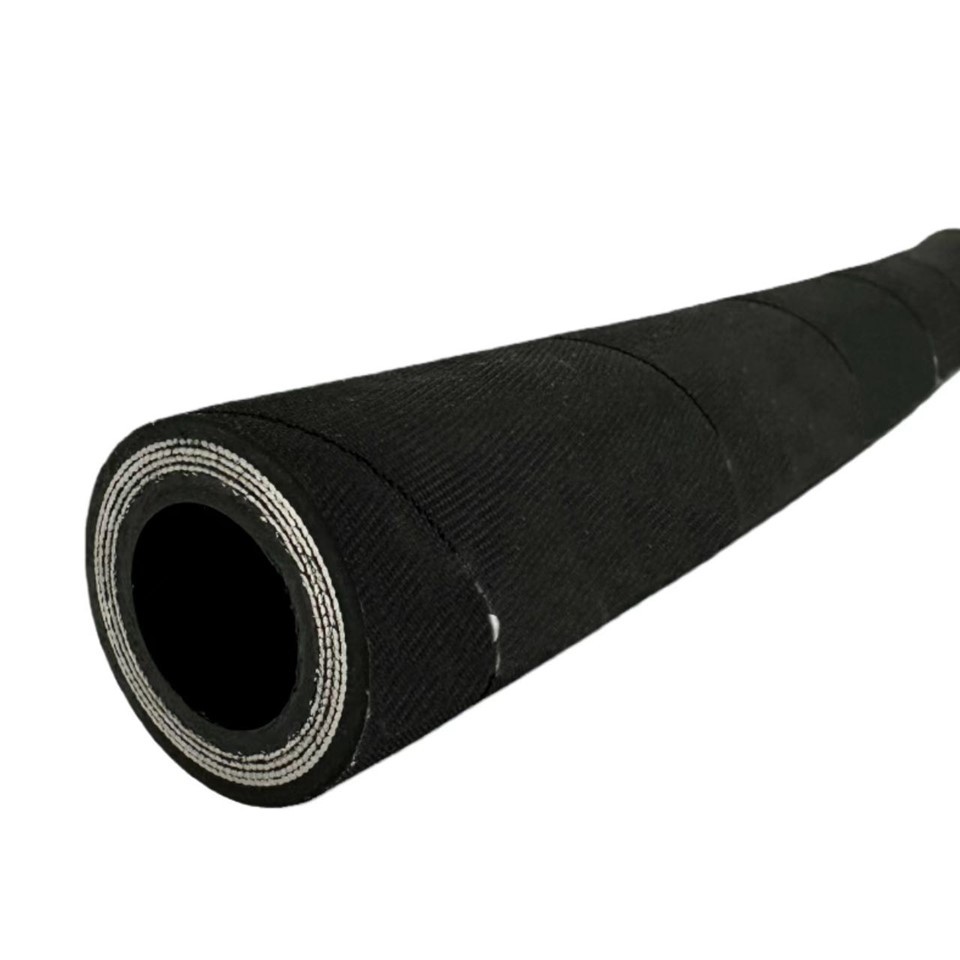
The first and most obvious factor is the quality of the materials used to make the hose. At our place, we use top - notch rubber compounds that are specifically designed to withstand the harsh conditions of oil transfer. High - quality rubber is more resistant to abrasion, chemicals, and weathering. For example, the outer layer of our Floating Rubber Oil Hose is made from a special rubber blend that can resist UV rays, ozone, and extreme temperatures. This means that the hose won't crack or degrade easily when exposed to the elements.
The reinforcement layer also plays a crucial role. We use strong steel wire spirals in our hoses, which provide excellent strength and flexibility. The steel wire is carefully selected and treated to prevent corrosion. A well - reinforced hose can handle high pressures without bursting or deforming, which significantly extends its service life. You can check out our range of hoses with different reinforcement standards like DIN EN856 SAE R13 R15 and Sae 100r12 Hydraulic Hose on our website.
2. Operating Conditions
The environment in which the hose operates has a huge impact on its lifespan. If the hose is used in a clean, controlled environment, it will last much longer than if it's exposed to rough conditions. For instance, if the hose is constantly rubbing against sharp objects or rough surfaces, the outer layer will wear out quickly. This can lead to leaks and eventually, the failure of the hose.

Temperature is another important factor. Extreme heat or cold can cause the rubber to expand or contract, which may lead to cracks or loss of flexibility. In areas with high temperatures, the oil flowing through the hose may also become more viscous, putting extra stress on the hose. On the other hand, in cold climates, the rubber may become brittle and more prone to damage.
The type of oil being transferred also matters. Some oils are more corrosive than others, and if the hose isn't properly designed to handle them, it can break down faster. Our Floating Rubber Oil Hoses are designed to be compatible with a wide range of oils, but it's still important to choose the right hose for the specific type of oil you're working with. You can find more details about our Floating Rubber Oil Hose on our website.
3. Installation and Maintenance
Proper installation is key to ensuring a long service life for the hose. If the hose is installed incorrectly, it may be subjected to unnecessary stress, which can cause premature failure. For example, if the hose is bent too sharply or twisted during installation, it can restrict the flow of oil and damage the internal structure of the hose.
Regular maintenance is also essential. Inspecting the hose regularly for signs of wear, such as cracks, bulges, or leaks, can help you catch problems early. Cleaning the hose after use can prevent the build - up of dirt and debris, which can cause abrasion. It's also important to store the hose properly when it's not in use. Keeping the hose in a cool, dry place away from direct sunlight can prevent damage from UV rays and moisture.
4. Industry Standards and Testing
We follow strict industry standards when manufacturing our Floating Rubber Oil Hoses. These standards ensure that the hoses meet certain quality and safety requirements. Our hoses are tested rigorously before they are released to the market. We conduct tests for pressure resistance, flexibility, and chemical compatibility. This means that you can trust the quality of our hoses and expect them to perform well in your applications.
How Long Can a Floating Rubber Oil Hose Last?
On average, a well - maintained Floating Rubber Oil Hose can last anywhere from 5 to 10 years. However, this is just a rough estimate, and the actual lifespan can vary depending on the factors mentioned above. If the hose is used in ideal conditions and is properly maintained, it could last even longer. On the other hand, if it's exposed to harsh conditions and not maintained well, it may need to be replaced within a couple of years.
Why Choose Our Floating Rubber Oil Hoses?
We're not just another supplier. We're committed to providing high - quality hoses that meet your specific needs. Our team of experts can help you choose the right hose for your application based on your operating conditions and requirements. We offer a wide range of hoses with different sizes, pressures, and reinforcement options.
If you're in the market for a Floating Rubber Oil Hose, don't hesitate to get in touch with us. We're here to answer all your questions and help you make the best decision for your business. Whether you're a small - scale operation or a large - scale industrial company, we can provide you with the right hose at a competitive price.
So, if you're looking for a reliable and long - lasting Floating Rubber Oil Hose, look no further. Check out our Floating Rubber Oil Hose on our website and start a conversation with us today. We're ready to assist you with your procurement needs and ensure that you get the best value for your money.
References
- Rubber Manufacturers Association (RMA) standards for rubber hoses.
- Industry research on the performance and lifespan of floating rubber oil hoses.