




What is the moisture resistance of marine floating hoses?
 Oct 26, 2026|
What is the moisture resistance of marine floating hoses?
As a supplier of marine floating hoses, I often get asked about the moisture resistance of these essential pieces of equipment. Marine floating hoses are used in a variety of applications, from oil and gas transfer to water intake and discharge. They are exposed to harsh marine environments, including saltwater, humidity, and varying temperatures. Therefore, understanding their moisture resistance is crucial for ensuring their long - term performance and reliability.
Understanding Moisture Resistance
Moisture resistance refers to a material's ability to resist the penetration of water or water vapor. In the case of marine floating hoses, this is of utmost importance because constant exposure to water can lead to degradation of the hose materials. Water can cause swelling, softening, and even corrosion of the internal and external components of the hose.
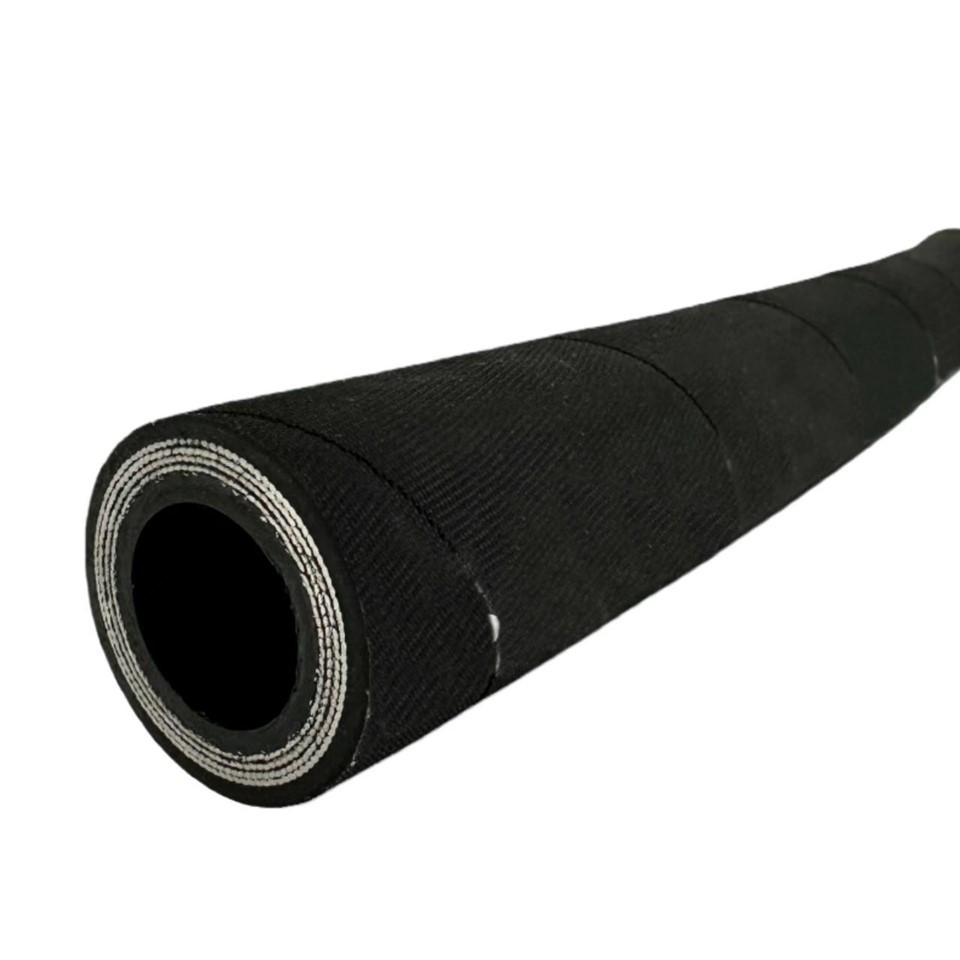
The construction of marine floating hoses plays a significant role in their moisture resistance. Most marine floating hoses consist of an inner tube, reinforcement layers, and an outer cover. The inner tube is usually made of a rubber compound that is resistant to the fluids being transferred. The reinforcement layers, which can be made of materials such as steel wire or synthetic fibers, provide strength and stability to the hose. The outer cover protects the hose from external damage and environmental factors, including moisture.
Inner Tube and Moisture Resistance
The inner tube of a marine floating hose is in direct contact with the fluid being transferred. For hoses used in oil and gas applications, the inner tube is typically made of a nitrile rubber or other oil - resistant compounds. These materials are designed to resist the chemical properties of the oil and prevent it from seeping into the hose structure. At the same time, they also have a certain degree of moisture resistance.
However, if the inner tube is not properly formulated or if it is damaged, moisture can penetrate through it. This can lead to internal corrosion and a reduction in the hose's performance. For example, in a water intake or discharge application, the inner tube needs to be able to withstand the constant flow of water without being affected by the moisture. Specialized rubber compounds are often used to ensure that the inner tube remains intact and functional in wet conditions.
Reinforcement Layers and Moisture
The reinforcement layers in a marine floating hose are responsible for providing strength and preventing the hose from bursting under pressure. Steel wire is a common reinforcement material, but it is susceptible to corrosion when exposed to moisture. To combat this, the steel wire is often coated with a protective layer, such as zinc or other anti - corrosion coatings.
Synthetic fibers, such as polyester or aramid, are also used as reinforcement materials. These fibers are generally more resistant to moisture compared to steel wire. They do not corrode and can maintain their strength even in wet environments. However, they need to be properly bonded to the inner tube and outer cover to ensure the overall integrity of the hose.
Outer Cover and Moisture Protection
The outer cover of a marine floating hose is the first line of defense against moisture. It is designed to protect the inner components of the hose from water, UV radiation, and physical damage. The outer cover is typically made of a rubber compound that is resistant to weathering and water penetration.
Some outer covers are formulated with special additives to enhance their moisture resistance. For example, neoprene rubber is often used in marine applications because it has excellent resistance to water, ozone, and sunlight. It forms a protective barrier that prevents moisture from reaching the inner layers of the hose.
Testing and Certification
To ensure the moisture resistance of marine floating hoses, manufacturers conduct a series of tests. These tests include immersion tests, where the hose is submerged in water for a specified period of time to check for any signs of water penetration or degradation. Pressure tests are also performed to ensure that the hose can withstand the pressure while maintaining its moisture - resistant properties.
Certification bodies, such as the American Bureau of Shipping (ABS) and the International Organization for Standardization (ISO), set standards for the moisture resistance and other performance characteristics of marine floating hoses. Hoses that meet these standards are more likely to provide reliable performance in marine environments.
Applications and Moisture Resistance Requirements
Different applications have different moisture resistance requirements. For example, hoses used in offshore oil and gas platforms need to have high - level moisture resistance because they are exposed to saltwater and harsh weather conditions for long periods. On the other hand, hoses used in inland waterways may have slightly lower moisture resistance requirements.
In addition, the type of fluid being transferred also affects the moisture resistance requirements. Hoses used for transferring oil need to be resistant to both oil and moisture, while hoses used for water transfer need to be able to withstand continuous exposure to water without degradation.
Our Product Range and Moisture Resistance
As a marine floating hose supplier, we offer a wide range of hoses with different moisture resistance capabilities. Our Floating Rubber Oil Hose is designed for oil transfer in marine environments. It has a high - quality inner tube made of oil - resistant rubber and a moisture - resistant outer cover. The reinforcement layers are carefully selected and treated to ensure long - term performance in wet conditions.
We also provide hoses such as Sae 100r12 Hydraulic Hose and DIN EN856 SAE R13 R15, which are suitable for various hydraulic applications in marine settings. These hoses are engineered to have excellent moisture resistance, ensuring reliable operation even in challenging marine environments.
Conclusion
The moisture resistance of marine floating hoses is a critical factor in their performance and durability. By understanding the construction, materials, and testing methods related to moisture resistance, we can provide high - quality hoses that meet the specific needs of our customers. Whether you are in the oil and gas industry, water treatment, or any other marine - related field, choosing the right hose with appropriate moisture resistance is essential for the success of your operations.

If you are interested in learning more about our marine floating hoses or have specific requirements for your project, we invite you to contact us for a detailed discussion. Our team of experts is ready to assist you in selecting the best hose for your application.
References
- ASTM International. (20XX). Standard test methods for rubber products.
- American Bureau of Shipping. (20XX). Rules for the construction and classification of floating production installations.
- International Organization for Standardization. (20XX). ISO standards for rubber hoses and tubing.